Do you worry that your breath might not smell so sweet?
Bad breath (also known as halitosis) is one of those awkward and embarrassing subjects to contemplate. I’m sure that at some point in your life you’ve noticed that someone else has bad breath, but did you have the courage to tell so they could then do something about it? Hmm… probably not right?
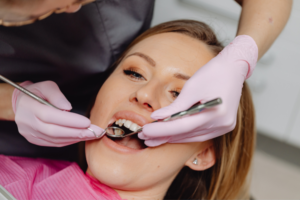
Bad breath is a common condition predominantly caused by poor oral hygiene and, in most cases, very treatable with the right oral hygiene habits and regular visits to the dentist and dental hygienist. Consistently brushing twice a day, regular cleaning between the teeth (flossing or interdental brushes) and using a tongue scraper as part of your cleaning routine, will all help to prevent the build up of bacteria on the tongue and around the gums that may cause bad breath and other oral health issues.
Many common things that we consume play a role in the development of bad breath, including high-sugar products, alcohol and pungent foods such as garlic. Dehydration also leads to a dry mouth and possible bad breath, as can smoking of course. Be sure to monitor what you are eating and drinking to see if you can identify the culprit in your individual case.
Key causes of bad breath that we see in our patients:
- Gum Disease: most adults have, to some extent, gum disease and it’s essential to keep on top of your oral hygiene and health to prevent significant future damage to the gums and jawbone. Common symptoms might be bleeding gums when brushing your teeth or a noticeable bad taste in your mouth. Gum disease is caused by the build-up of plaque and the subsequent bacterial growth and it is essential to get the right treatment to prevent more serious issues down the line. Your dentist will be able to assess your oral health and may recommend a visit to the dental hygienist so that your can have a bespoke dental hygiene plan to meet your needs.
- Dietary choices: what you consume, or indeed what you don’t, can have a huge impact on the state of your breath freshness. Special diets, such as low carb/Keto , encourage your body to run off fat for fuel instead of glucose and a side effect of this is that your body produces more ketones and can have a negative effect on how your breath smells. Similarly, when you practice fasting, it may lead to a reduced saliva production and this lack of moisture can contribute to bacterial growth in the mouth.
If you are not drinking enough water, and end up dehydrated, this can also be a common trigger for halitosis. Drinking water throughout the day helps to flush food particles from the mouth and therefore prevent potentially harmful bacterial proliferating. If you regularly drink alcohol or a lot of coffee, this is something to be aware of as in both cases you will naturally tend to be more dehydrated. Try alternating water between drinks or cups of coffee to help remedy the negative effects. Aiming to drink 2 litres of water each day is a good goal for overall health and optimal energy levels. - Lifestyle influences: studies have proven a definite connection between stress and gum disease, which as you know can lead to unpleasant bad breath. In addition to this, stress often triggers poor dietary choices, increased drinking and mouth breathing which leads to a really dry (and smelly) mouth! Make sure you stay hydrated in challenging times and manage your stress levels in a healthy and balanced way. Mouth breathing whilst sleeping is another reason why we may experience the familiar ‘morning breath’.
As most of you probably already know, smoking does your breath no favours at all! Besides the direct offensive smell, smoking leads to stained teeth, loss of taste and greater susceptibility to gum disease and mouth cancer. Our best advice is of course to kick the habit but if this is not currently on your radar, be sure to have some sugar-free mints to hand to keep your breath as fresh as possible! - Medical conditions: certain medications and medical conditions may lead to both a dry mouth and offensive breath. Sometimes diabetes can lead to the body going into ketosis which, as seen in low carb diets, may lead to unpleasant breath. If you are taking medication which leads to a dry mouth, try upping your water intake as well as seeking guidance from a medical professional.
If you are concerned about bad breath or any other oral health issues, you may benefit from a dental hygiene visit and here at The Hartley Clinic we have a direct access dental hygiene service with hygienist Natasha Rubery. Call us today on 01256 856289 to find out more and to book your appointment.